Monetary policy and central bank updates
Meeting-by-meeting coverage of Fed, ECB, BOJ and other central banks, focusing on rates, balance sheets and forward guidance.

once Fed does QE, reserve account balances increase, thus directly increasing base money
broad money either increases indirectly or directly if the Fed credits a non-bank institution
once Fed cuts interest rates, more borrowing will occur, thus expanding broad money
it will also lower T-bill yields short-term, as the prices are bid up due to a lower risk-free rate
once Fed cuts interest rates, more borrowing will occur, thus expanding broad money
it will also lower T-bill yields short-term, as the prices are bid up due to a lower risk-free rate
a lot of these US treasury purchases will be financed with short-term rolling debt (e.g. repo)
the newly issued Treasuries themselves will be used as collateral to borrow cash, many times over via rehypothecation
US Treasury debt is likely to be among the assets purchased by those same banks that received QE funds from the central bank. so central bank's QE injection may be used to purchase US Treasury debt at auctions, thus effectively monetizing the government debt 😁
even if it doesn't happen directly at the start - eventually QE also increases broad money, due to reduced balance sheet constraints and an increase in cash reserves, which needs to be invested ASAP. this leads to more lending and asset purchases
even if it doesn't happen directly at the start - eventually QE also increases broad money, due to reduced balance sheet constraints and an increase in cash reserves, which needs to be invested ASAP. this leads to more lending and asset purchases
initially QE may only increase base money supply - as commercial banks reserve balances get credited by the Central Bank
if the Central Bank purchases assets from non-bank financial institutions, then broad money increases directly as well, as deposits increase
initially QE may only increase base money supply - as commercial banks reserve balances get credited by the Central Bank
if the Central Bank purchases assets from non-bank financial institutions, then broad money increases directly as well, as deposits increase
the US Treasury may also issue more debt to increase the supply of safe assets, thus offsetting the compression shock
end result: more safe assets/prime collateral provided to markets. remember that the newly issued treasuries are likely to be rehypothecated several times
in the short-term, lower rates and/or QE means easier funding conditions, so more positions will get to be refinanced
the yield spreads may also start an almost vertical uptrend on a monthly timescale - this usually means a financial crisis to some degree
that's probably not happening in the next 3 months though, as you can expect Federal Reserve to decrease interest rates and/or employ QE
so it may not only be central bank setting the rates and affecting liquidity
for example, when US Treasury auctions bonds, they're both, temporarily reducing the effective amount of USD in circulation and providing more high-quanlity collateral
by "central bank" I'm frequently referring to the broader set of the legal framework behind the macro monetary policy
in most countries central banks plays a key role, but they frequently co-exist in a larger network of institutions
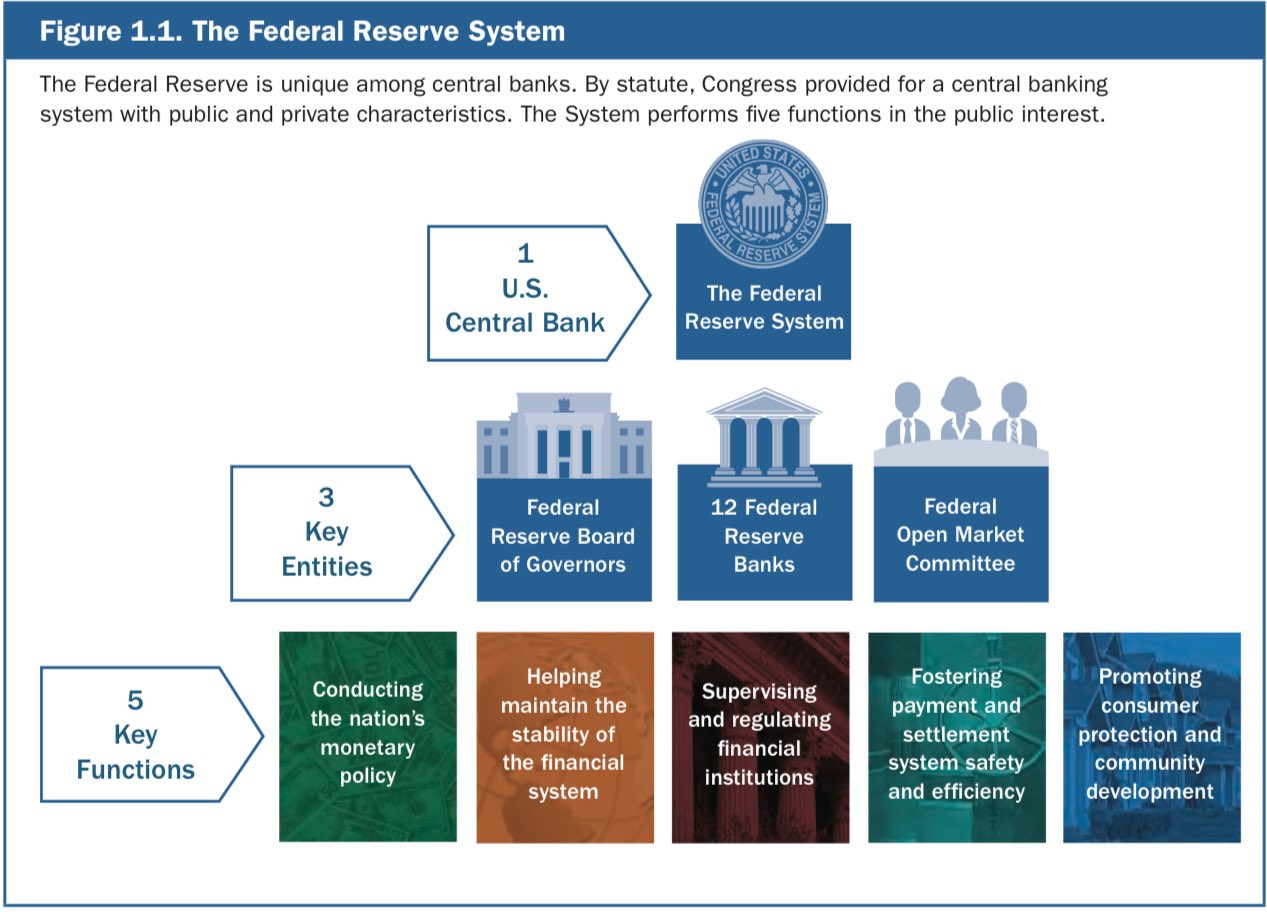
by "central bank" I'm frequently referring to the broader set of the legal framework behind the macro monetary policy
in most countries central banks plays a key role, but they frequently co-exist in a larger network of institutions
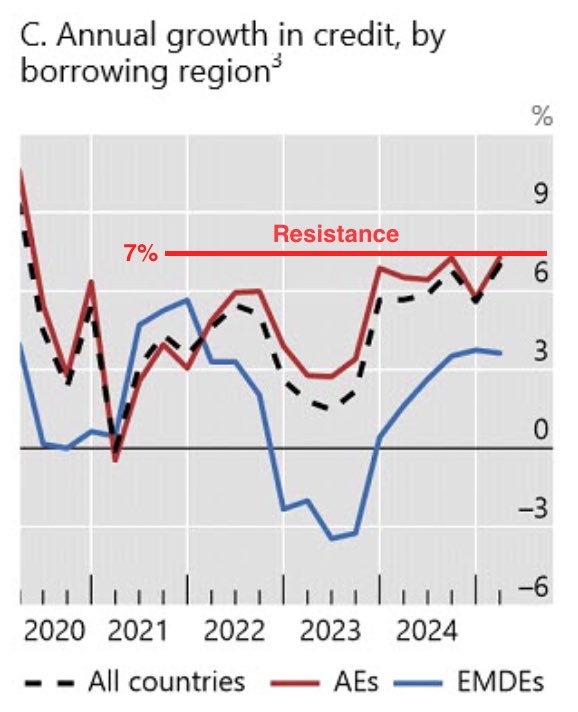
bank credit continues to grow, and it will continue to grow
it will almost certainly break the 7% annual growth resistance
central banks will expand balance sheets and lower interest rates to refinance the existing public and private debt
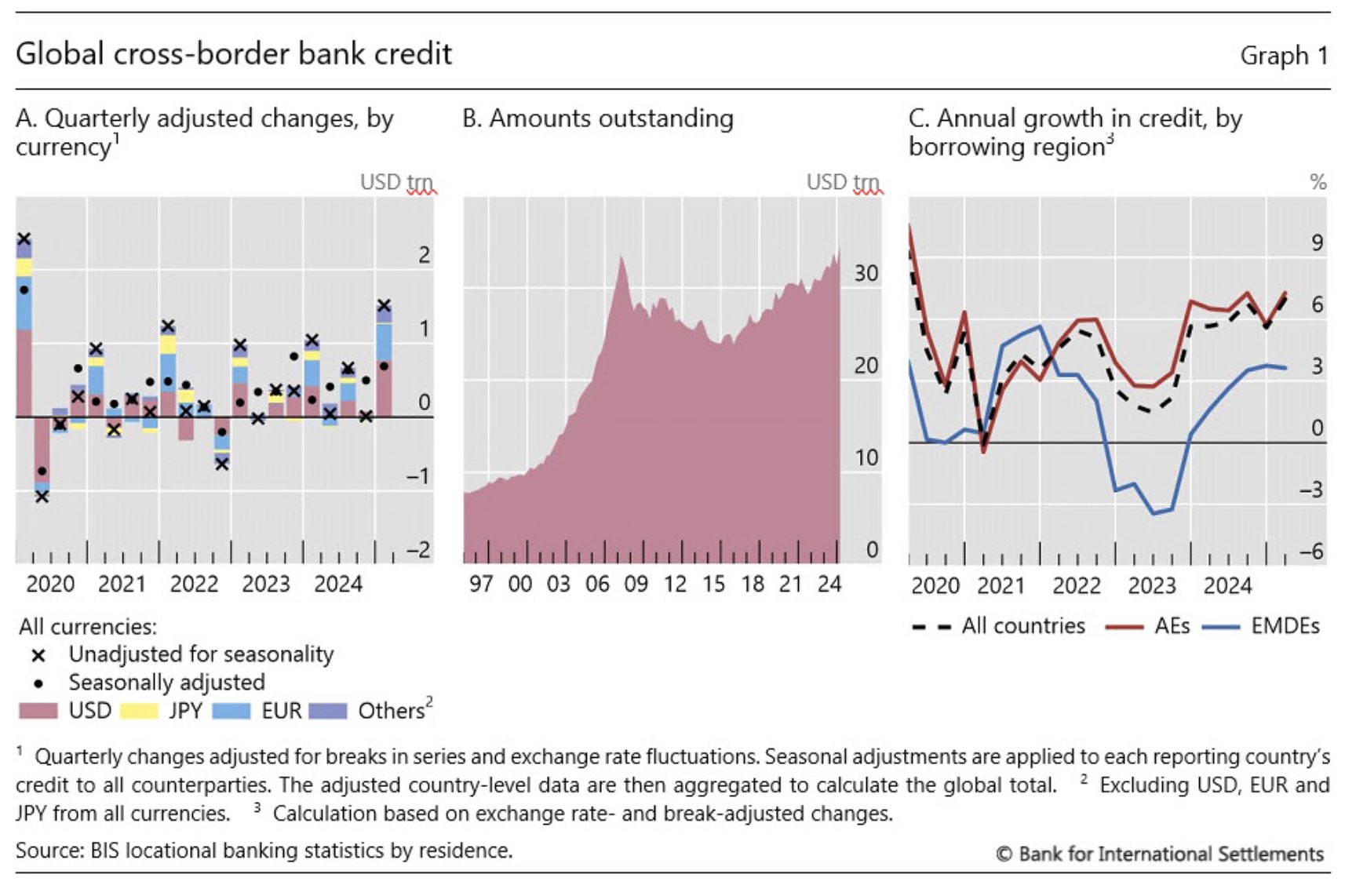
data source: BIS
outstanding cross-border bank credit reached a record of $34.7 trillion
the latest increase was driven by increased lending to non-bank financial institutions (NBIFs), with most of the credit being issued in USD or EUR
regarding the IPO/privatization of Fannie Mae & Freddie Mac i wrote a thread explaining the role, function and use during QE of those GSE
also their history and how they were used to lower mortgage rates after the 2008 GFC
you can read it it here ⬇️
https://illya.sh/threads/@1754148538-1.html
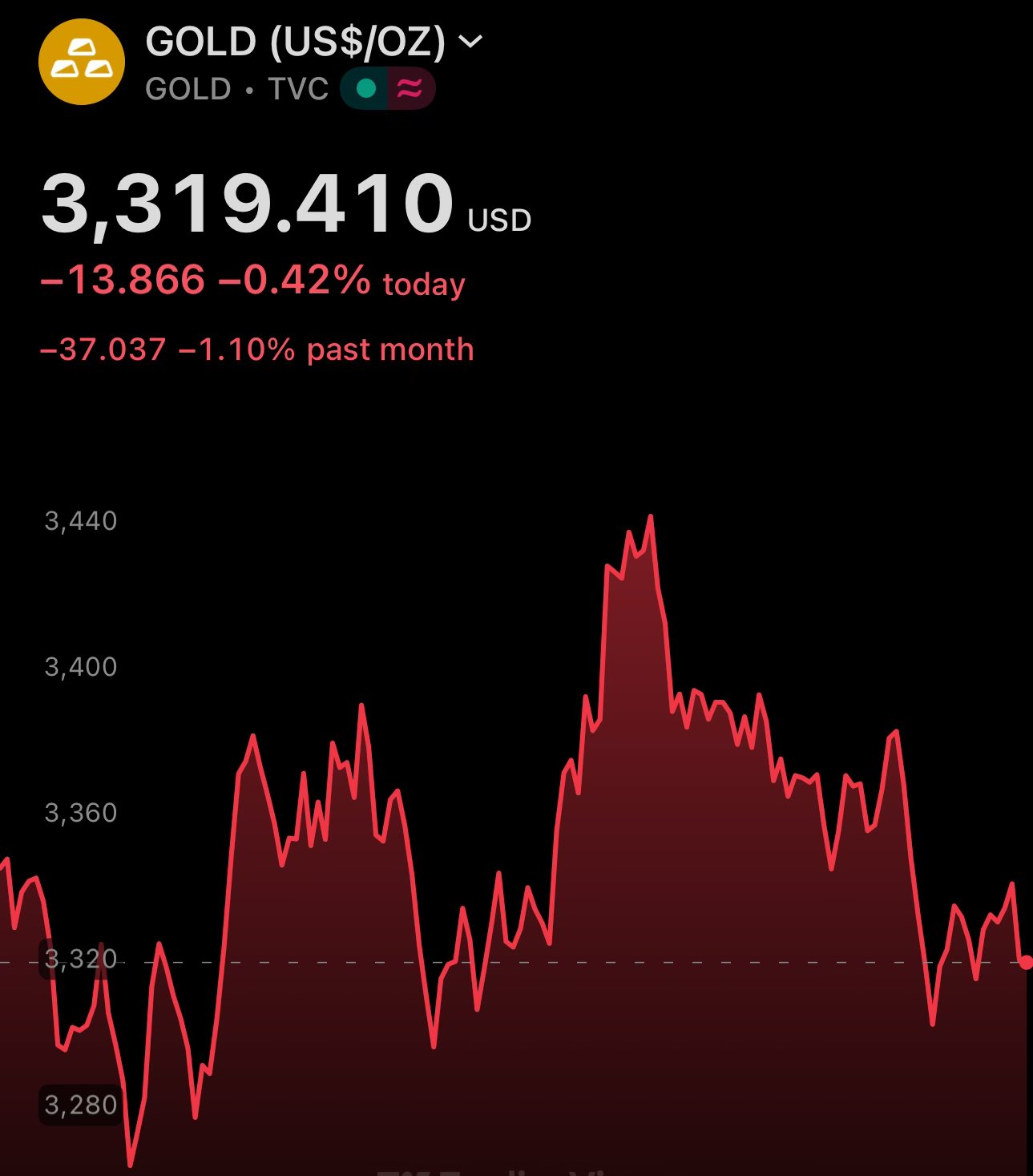
both Russia & China increased their gold holdings since I wrote this 😄
indeed - central banks are continuing to buy the gold dips
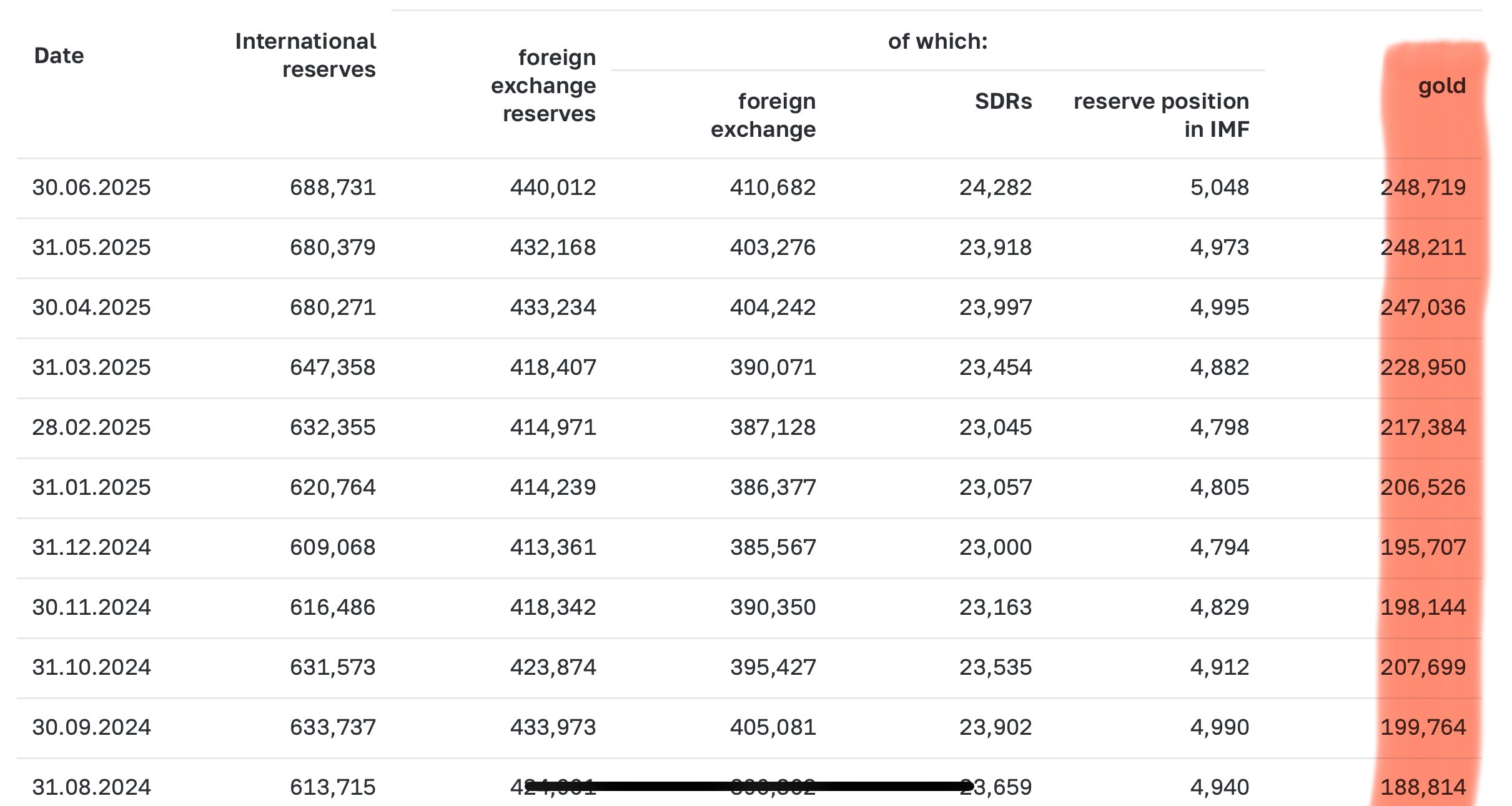
central banks will continue to buy gold
you'll be able to confirm that in their upcoming balance sheets reports. pay special attention to China & Russia
enjoy the dip, because smart money is!
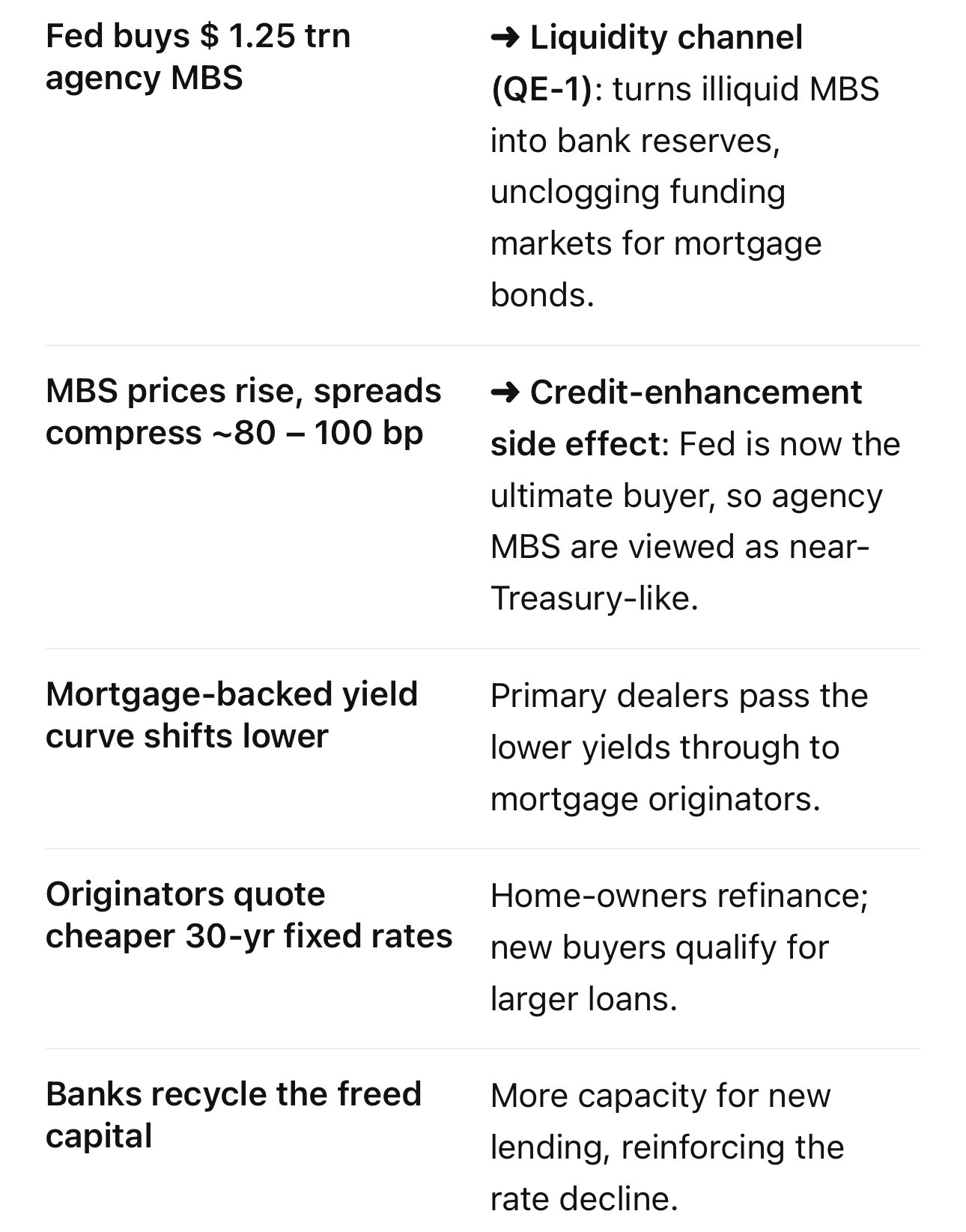
to lower the mortgage rates the Fed can purchase agency MBS - likely they did in QE 1 2008
buying mortgage backed securities raises their price and provides liquidity for dealers. this directly pushes down the yields
expect some MBS QE to come in the near future
and this is how the Federal Reserve steers the federal funds rate/interest rates in the market within the target range 🏦✨
follow the quoted posts to read the full thread/article

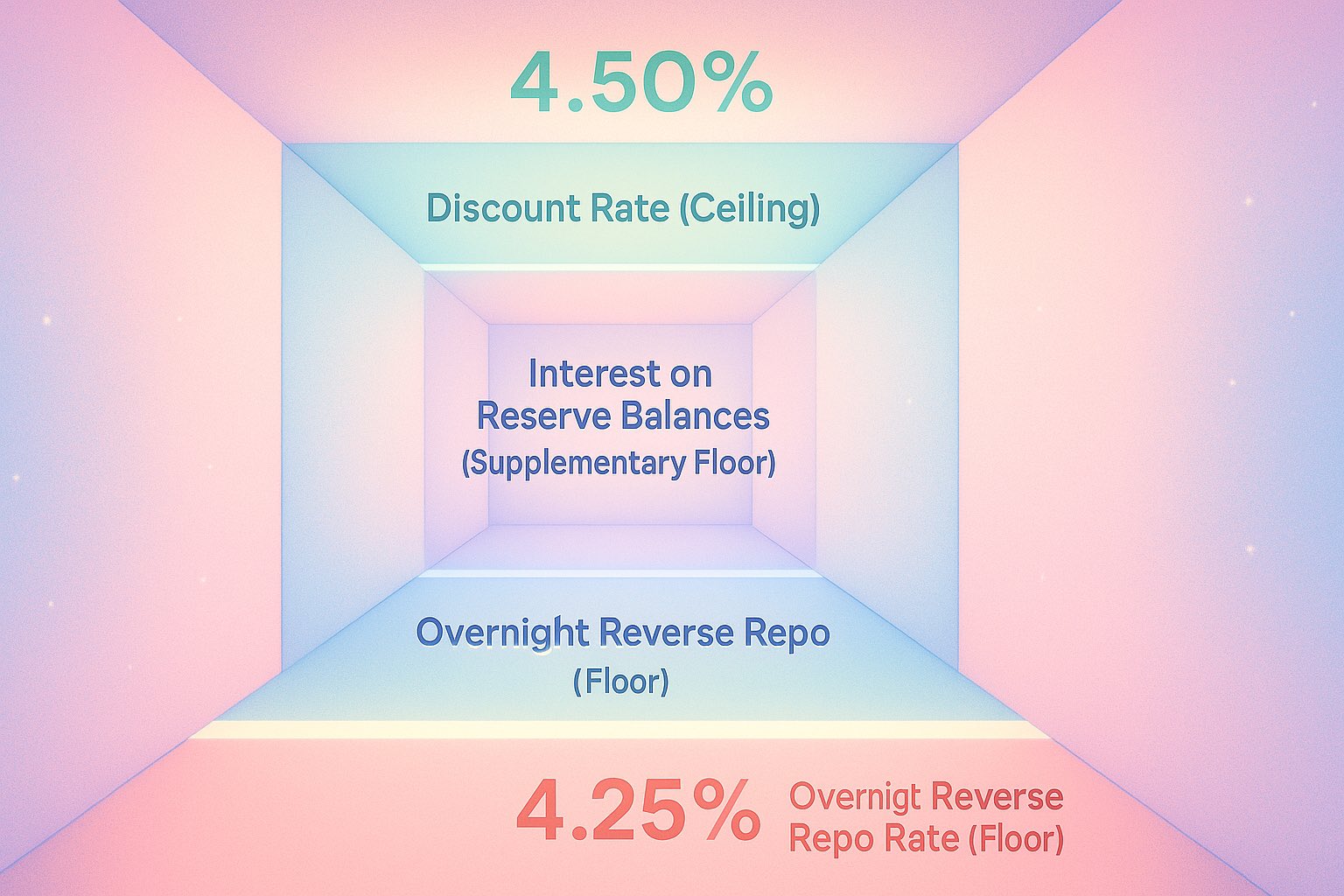
together, ON RRP, IORB, Discount Rate and SRF create a corridor for rates, which stay within the target 4.25%-4.50%
👉 by "firms" i mean select non-bank financial institutions - think dealers, market makers & other wholesale debt institutions
current rates set by FED:
1️⃣ ON RRP - 4.25% (floor) - firms won't lend below
2️⃣ IORB - 4.40% (supplementary floor) - banks won't lend below
3️⃣ Discount Rate - 4.50% (ceiling) - banks won't borrow above
4️⃣ SRF - 4.50% (supplementary ceiling) - banks & firms won't borrow above
so how does the FED currently targets an interest rate range between 4.25%-4.50%?
let's consolidate everything with an example using current, real-world data
so how does the FED currently targets an interest rate range between 4.25%-4.50%?
let's consolidate everything with an example using current, real-world data
SRF has been introduced in 2021, due to occasional spikes of short-term funding rates outside of the corridor
this is because banks avoid using the discount rate - as that is often seen as a sign of financial distress by the broader market
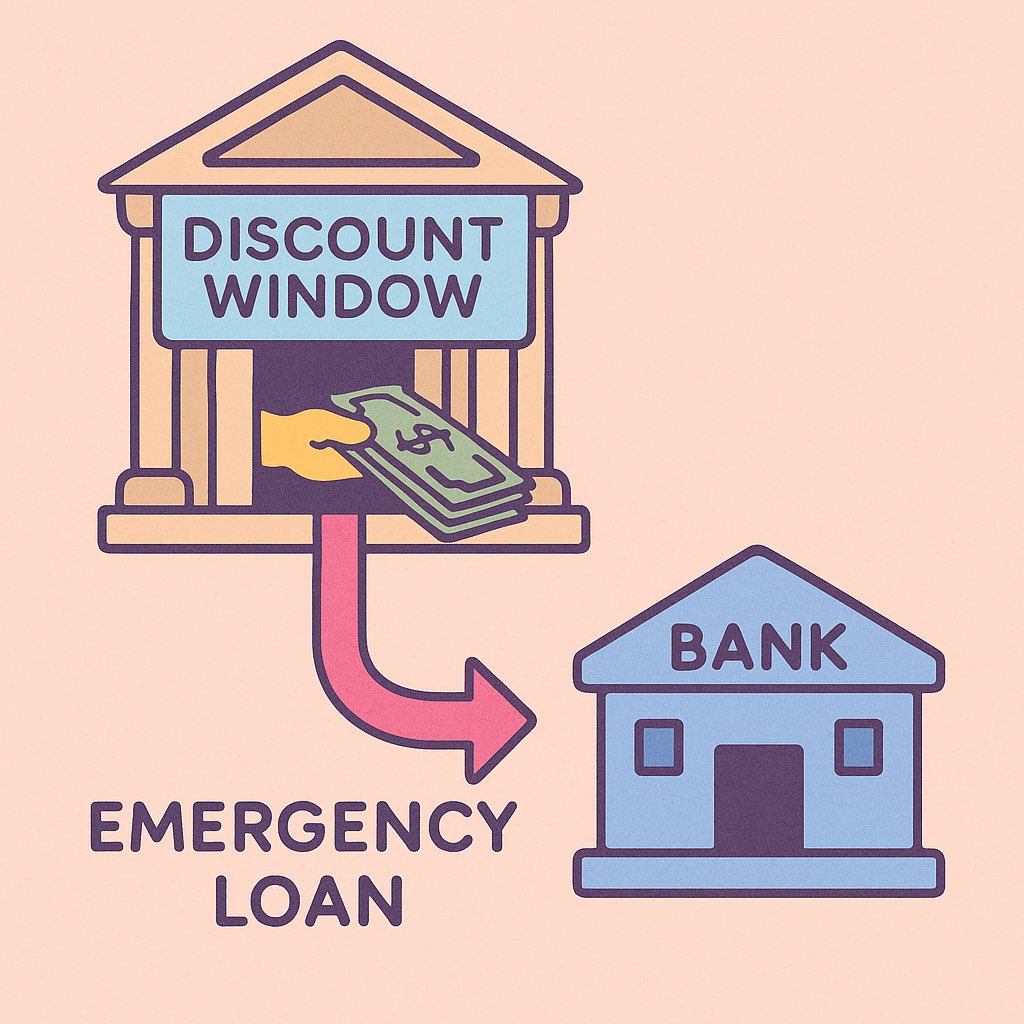
Discount Rate is the rate at which the FED lends directly to banks through its discount window
think of it as an emergency lending facility which the banks can use whenever they need funds
since banks can always get a loan at that rate - it caps the short-term interest rates
the majority of liquidity is actually created in wholesale short-term debt markets
ON RRP addresses exactly that sector, thus setting the lower bound of the target interest rate corridor for the broader financial sector
the 4 key interest rates set by the FED are:
1️⃣ Overnight Reverse Repo Rate (ON RRP)
2️⃣ Interest on Reserve Balances (IORB)
3️⃣ Discount Rate - also known as Lending Rate
4️⃣ Standing Repo Facility (SRF)
we'll cover them in this order below
now let's understand each one of the 4 key rates set by the federal reserve to keep the market rates within the target range
namely, what each one of those rates represents and how together they act as ceiling or floor for the interest rate corridor
now let's understand each one of the 4 key rates set by the federal reserve to keep the market rates within the target range
namely, what each one of those rates represents and how together they act as ceiling or floor for the interest rate corridor
so when banks and other financial institutions need to lend capital - they can do it at a rate within the target range
of course, their balance sheet capacity must allow for that - but that's another topic which I already covered in some detail in my other posts😁
now you should have a clear mental model of how the Federal Reserve sets the interest rates in the market
a target range is defined, and then several different interest rates are set explicitly to steer the real interest rate into that target range
think of these 4 rates as defining a corridor with an upper and a lower bound - currently 4.25% and 4.50%
the average market interest rate will sit somewhere in between
in the Federal Open Market Committee Meetings (FOMC), the Federal Reserve sets a target range - currently 4.25%–4.50%, and then it uses the ON RRP, IORB, discount rate and SRF to steer the average rate in the market
the rates define the interest rate corridor in the following manner:
1️⃣ Overnight Reverse Repo Rate - floor
2️⃣ Interest on Reserve Balances - supplementary floor
3️⃣ Discount Rate - ceiling
4️⃣ Standing Repo Facility - supplementary ceiling
the rates define the interest rate corridor in the following manner:
1️⃣ Overnight Reverse Repo Rate - floor
2️⃣ Interest on Reserve Balances - supplementary floor
3️⃣ Discount Rate - ceiling
4️⃣ Standing Repo Facility - supplementary ceiling
together, ON RRP, IORB, discount rate and SRF define an interest rate corridor, composed by:
1️⃣ lower bound (floor) - the lowest possible interest rate
2️⃣ upper bound (ceiling) - the highest possible interest rate
the other market rates fluctuate between this floor and ceiling
the FED sets a target interest rate range and 4 main explicit interest rates:
1️⃣ Overnight Reverse Repo Rate (ON RRP)
2️⃣ Interest on Reserve Balances (IORB)
3️⃣ Discount Rate - also known as Lending Rate
4️⃣ Standing Repo Facility (SRF)
more on them later (keep reading 😁)
the federal reserve does not set a single interest rate
instead, the FED sets a target interest rate range (the federal funds target range) alongside 4 main explicit interest rates
the federal reserve does not set a single interest rate
instead, the FED sets a target interest rate range (the federal funds target range) alongside 4 main explicit interest rates
how can the FED even set market-wide rates? 🤔
after all - there is no single rate that the whole market unanimously uses
different types of lending have different rates in the market, as it's a (somewhat) open market
how can the FED even set market-wide rates? 🤔
after all - there is no single rate that the whole market unanimously uses
different types of lending have different rates in the market, as it's a (somewhat) open market
How Does the Federal Reserve Set Interest Rates?
some think that they define a single rate - namely the overnight lending rate - i.e. the rate at which the banks lend to each other overnight
but that's not the case ❌
How Does the Federal Reserve Set Interest Rates?
some think that they define a single rate - namely the overnight lending rate - i.e. the rate at which the banks lend to each other overnight
but that's not the case ❌